Why can the battery of a sweeper purchased online remain safe in complex environments when transported across regions? This is inseparable from UN38.3 certification. It originates from Article 38.3 of the United Nations Manual of Tests and Criteria for the Transport of Dangerous Goods and is a mandatory requirement for the air transportation of lithium batteries. After the 66th edition of the International Air Transport Association's (IATA) Dangerous Goods Regulations came into effect in 2025, restrictions were also imposed on the transportation capacity of lithium battery-containing equipment such as vacuum cleaners. This requirement will be officially enforced from 2026.
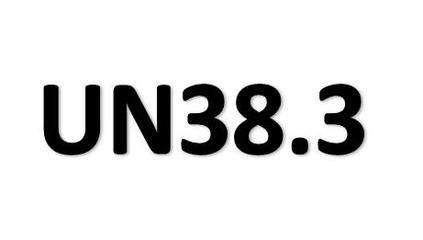
The UN38.3 certification includes multiple core tests, among which there are three types that have a significant impact on the battery of a vacuum cleaner. The high-altitude simulation test mainly verifies the stability of the battery in the high-altitude environment. The thermal test is aimed at the extreme temperature fluctuations that may be encountered during transportation, and the vibration test simulates the jolts and impacts in the logistics process. These three types of tests together constitute the key verification of battery transportation safety. If the certification is not passed, the airline will refuse to accept the transportation orders of this type of vacuum cleaner.
For manufacturers, it is necessary to send the batteries to a professional laboratory recognized by CNAS for testing. The entire certification process usually takes 5 to 7 weeks. If the test fails, it is mostly related to insufficient strength of the battery casing or imperfect internal circuit protection design, which will directly delay the product's market launch time. For consumers, if they want to confirm whether the battery is compliant, they can check the UN38.3 report number on the product manual or directly ask the manufacturer for a test report. Starting from 2025, the original "lithium battery label" has been renamed "Battery label". Paying attention to the relevant labels on the packaging when purchasing can also assist in judgment.
It should be particularly noted that the UN38.3 certification mainly ensures the safety of the battery during transportation and does not cover all risks in daily use. During daily use, the battery of the vacuum cleaner still needs to be maintained correctly in accordance with the instructions.